
Movie Reviews
Critical takes on the films that defined casino cinema, from Casino to Rounders.
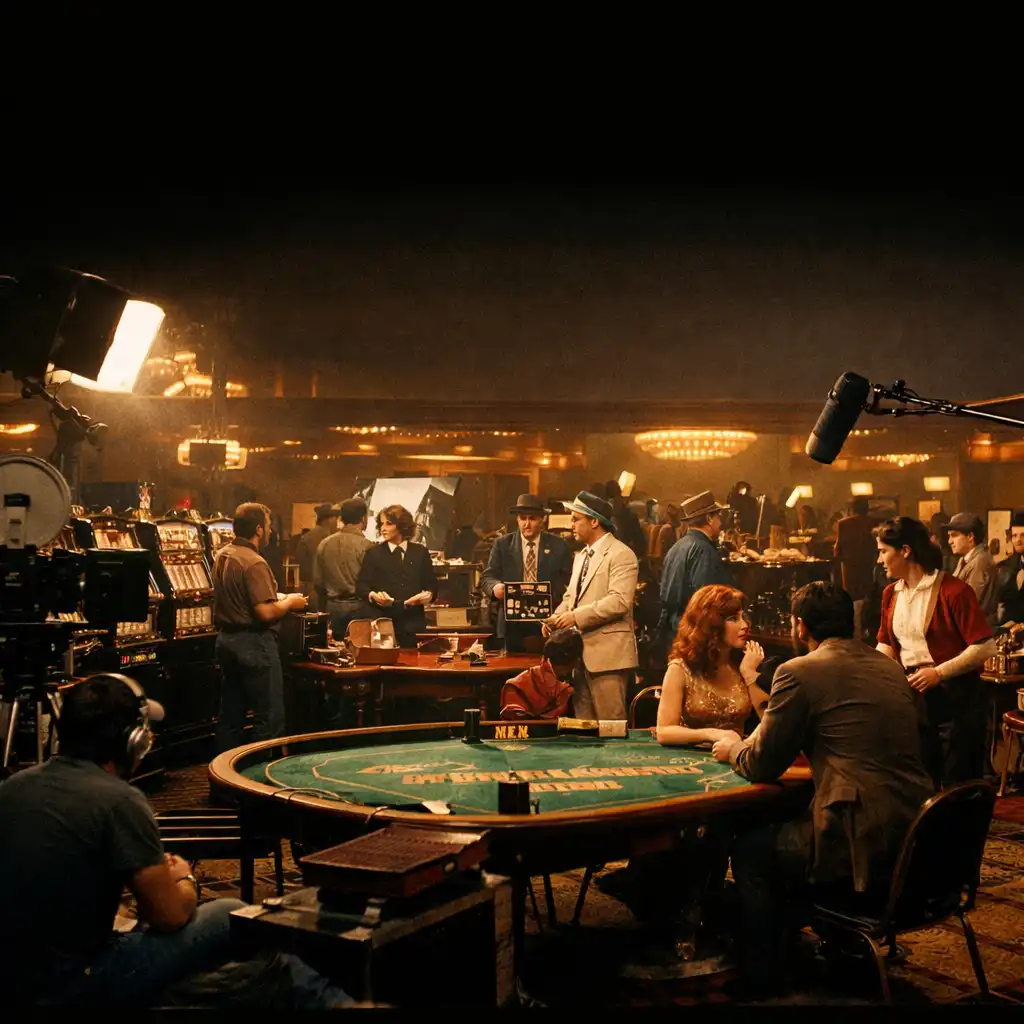
Behind the Scenes
Casino films are built on more than luck—they require meticulous craft, from recreating the glint of a roulette wheel to coaching actors into the psychology of a high roller.
This page explores production design, direction, acting, locations, and post-production. Stories are drawn from iconic films like Casino, Rounders, and Ocean's Eleven. The tone is informative and magazine-like, aimed at film enthusiasts.
Featured Story
The production design team transformed the Riviera Hotel and Casino into the fictional Tangiers, meticulously recreating 1970s Las Vegas with period-accurate details. The Riviera was chosen for its authentic 1970s architecture. Set decorators sourced vintage slot machines, ashtrays, and carpet patterns. The casino floor scenes were shot during off-hours to avoid disrupting real gamblers.
“We weren't building a set. We were rebuilding a memory of Las Vegas that had to feel lived-in, smoky, and slightly dangerous.”
Scorsese insisted on realism, from the sound of chips clinking to the exact shade of green on the felt tables. The crew consulted with former casino employees for accuracy. Costumes were sourced from vintage dealers to match the era. The film's props included over $1 million in fake chips.
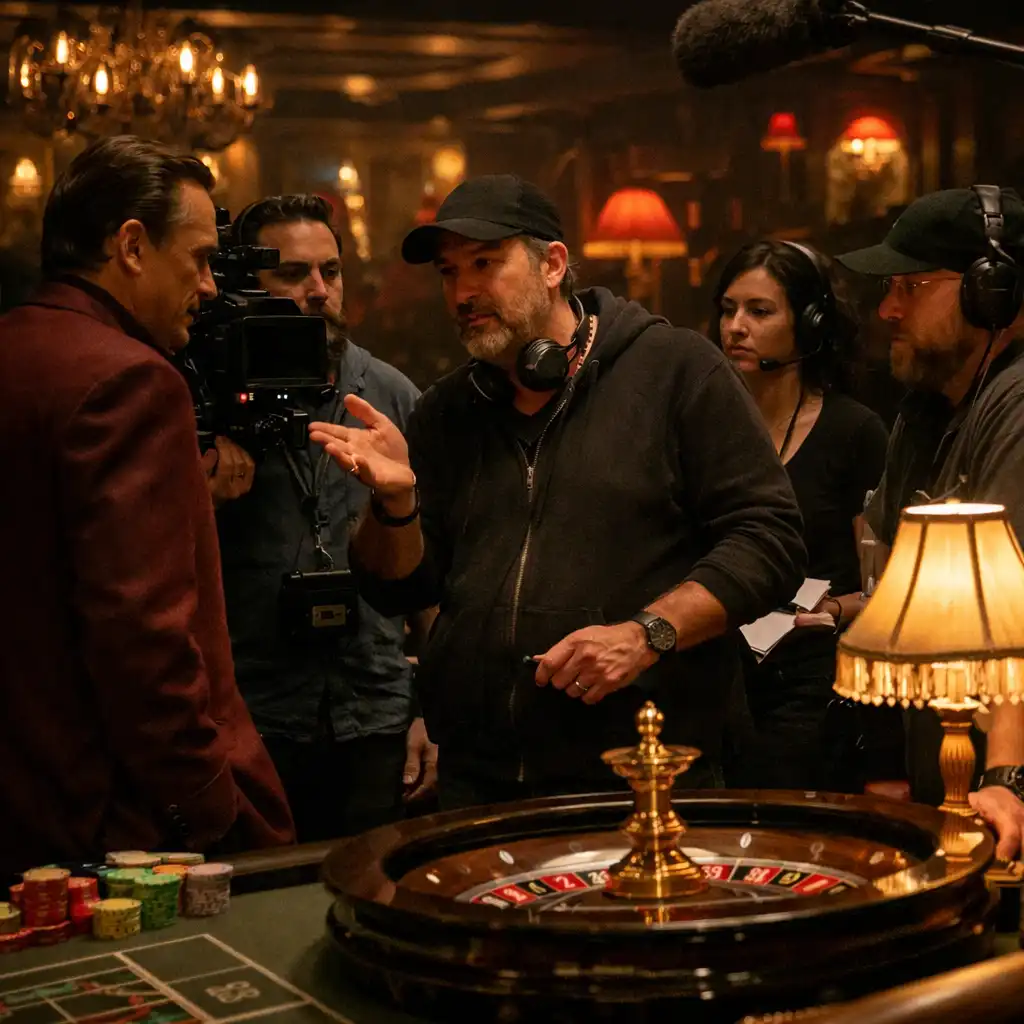
Production Design
Production designers use layout, lighting, and colour to evoke the psychology of gambling—low ceilings, no clocks, and warm, inviting colours that keep players inside. Casino sets often use red and gold tones to create excitement. Designers avoid windows and clocks to disorient players. The layout is intentionally maze-like to encourage exploration.
For Rounders, the production team built a fully functional underground poker room, complete with worn tables and smoky atmosphere. The set was constructed in a warehouse in New York. Props included vintage poker chips and custom card decks. Lighting was kept dim to mimic underground clubs.
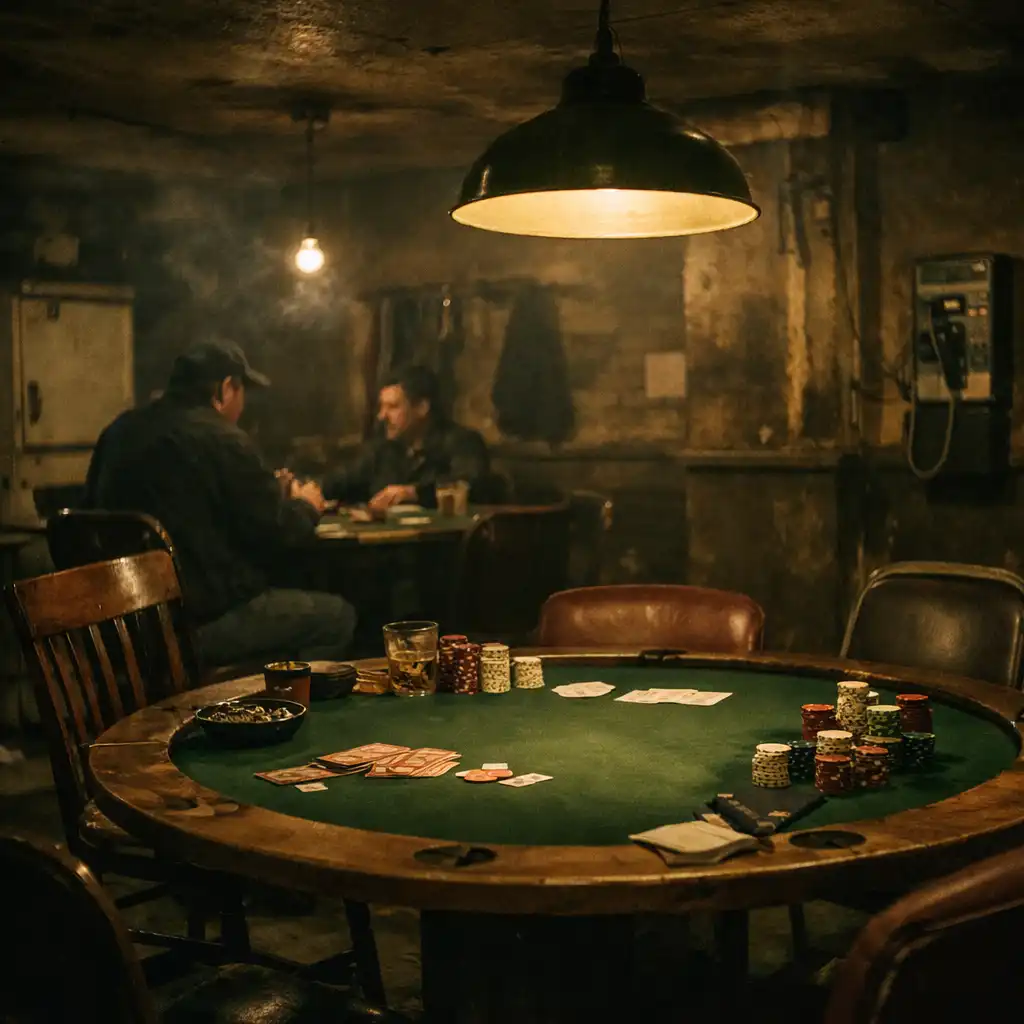
Directorial Craft
In Casino Royale, director Martin Campbell used a long, unbroken shot during the poker game to ratchet up tension, letting the audience read every micro-expression. The shot lasts over two minutes. Camera movement is slow and deliberate. Actors were coached to maintain poker faces.
Editors use quick cuts and close-ups on cards, chips, and eyes to create a sense of urgency and uncertainty.
“The audience should feel the weight of every chip. If the camera blinks, the tension breaks.”
Actor Preparation
For Rounders, Matt Damon spent weeks learning Texas Hold'em from professional poker players to authentically portray a law student turned gambler. Damon trained with poker pro Johnny Chan. He studied tells and betting patterns. The film's poker scenes were choreographed like action sequences.
Robert De Niro spent time in real casinos observing high rollers, absorbing their mannerisms and the way they handled chips. De Niro visited Las Vegas casinos incognito. He practised chip tricks for hours. His performance was praised for its authenticity.
“You watch how a man touches his chips. That tells you everything about what he is afraid of.”
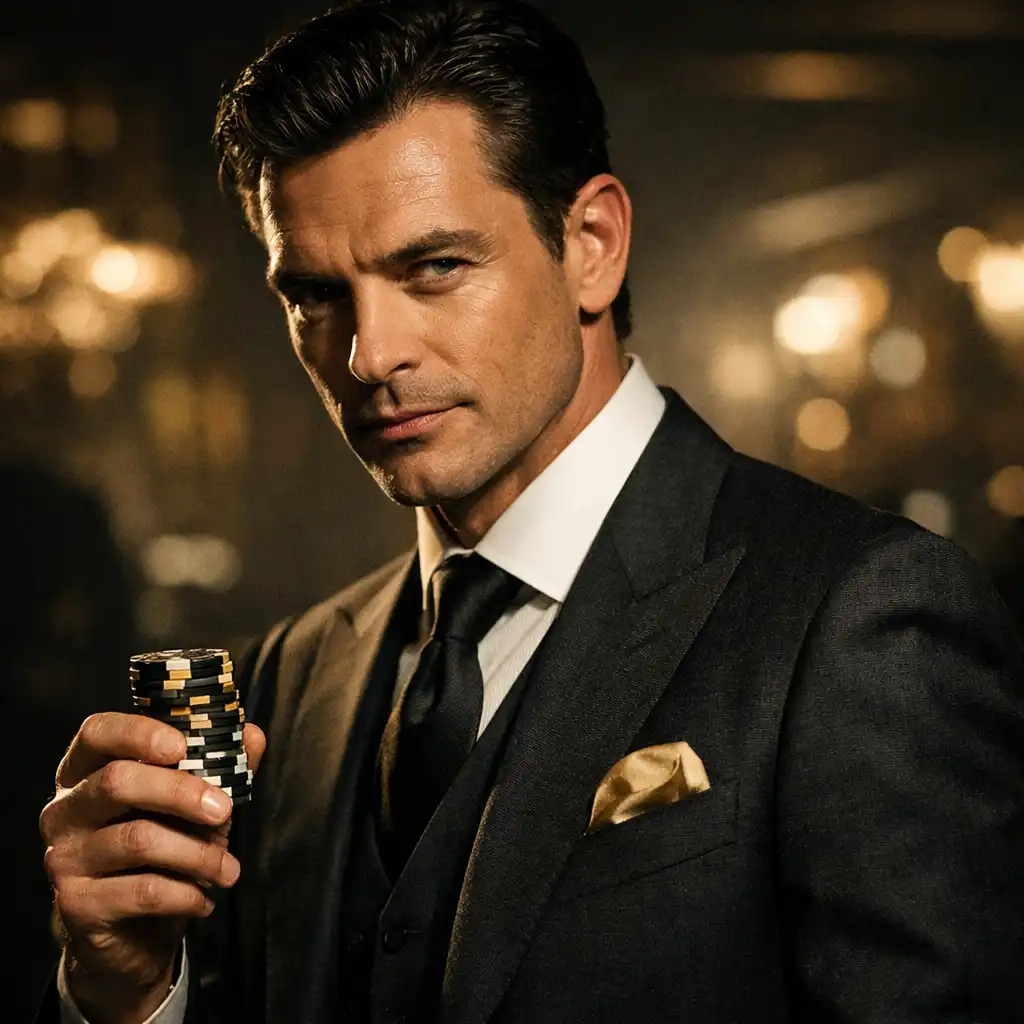
Location Work
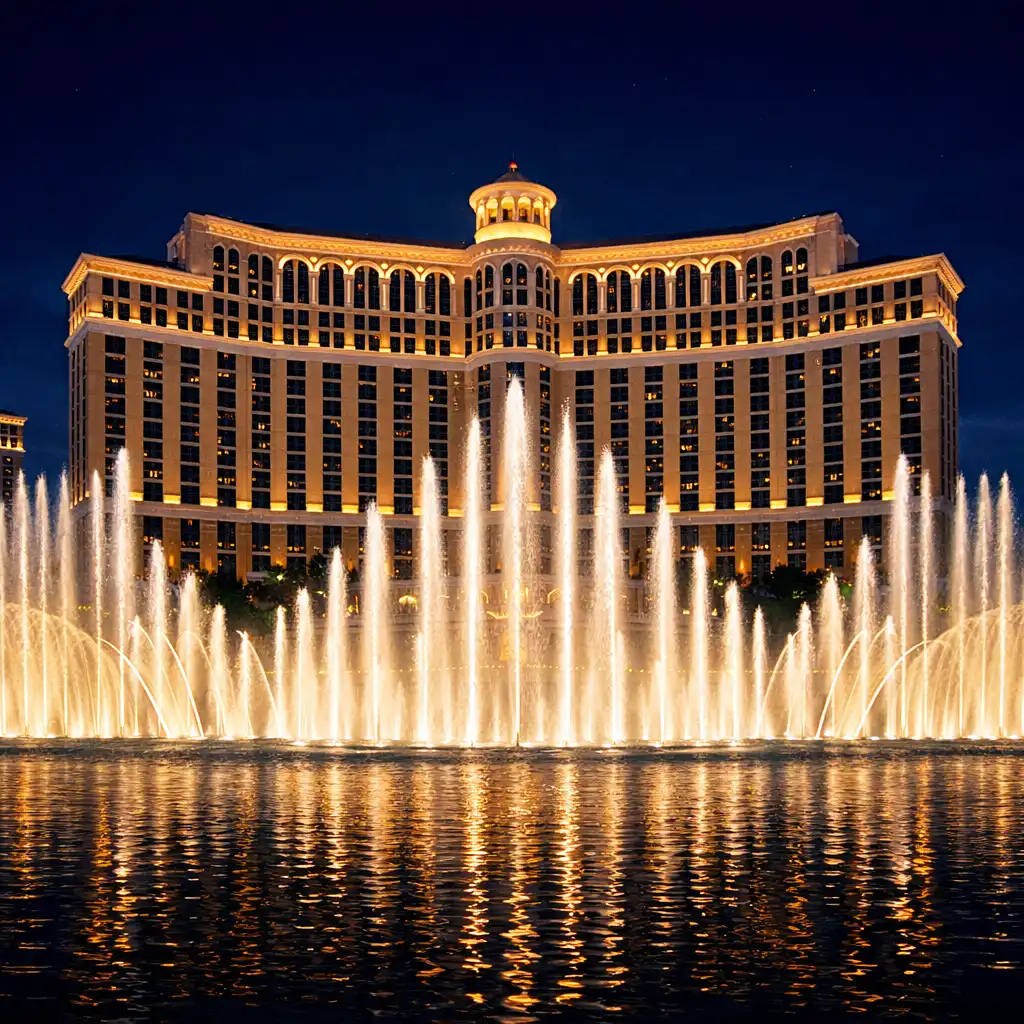
Many films shoot in real Las Vegas casinos, often during off-hours, to capture authentic atmosphere without disrupting business. Ocean's Eleven filmed at the Bellagio, Mirage, and MGM Grand. Crews worked from 2am to 6am. Casinos were compensated for lost revenue.
Casino Royale used locations in the Czech Republic, the Bahamas, and Italy to create a globe-trotting feel. The Casino Royale in Montenegro was actually a spa in Karlovy Vary. The Bahamas stood in for Madagascar. Venice provided the backdrop for the finale.
On-Set Stories
During the filming of Casino, a real $100,000 chip went missing from the set, causing a brief panic until it was found in a crew member's pocket. The chip was a genuine casino chip on loan. Security was called, but the chip was recovered quickly. The incident became a running joke on set.
George Clooney, who played Danny Ocean, admitted he was a terrible poker player and had to be coached for the film's few card scenes. Clooney joked that he lost money to the crew in off-set games. Brad Pitt was reportedly the better player. The poker scenes were kept brief to minimise Clooney's discomfort.
Editing and Sound
Editors use pacing to mimic the heartbeat of a gambler—fast cuts during high-stakes moments, slow fades during quiet reflection. In The Sting, the final con reveal uses a series of quick cuts. In Casino, long takes during the counting room scenes build dread. Editors often work with temp music to find the right rhythm.
Sound designers layer the clink of chips, the shuffle of cards, and the murmur of the crowd to create an immersive casino atmosphere.
Stay Updated
Sign up for our newsletter to receive the latest behind-the-scenes features, film facts, and exclusive interviews. No spam, and you can unsubscribe anytime.