
Iconic Casino Scenes
The Most Iconic Casino Scenes in Cinema
Cinema has long been drawn to the casino as a stage for human drama. From tense poker showdowns to glamorous roulette spins, these scenes define the genre. This page celebrates the artistry and impact of the most unforgettable moments, where every bet is a risk and every hand a potential turning point.
The Casino as Cinematic Stage
Casinos are natural theatres of human emotion—greed, fear, hope, and despair collide under the same chandeliers. Filmmakers return to the casino table again and again because it offers built-in tension: every bet is a risk, every hand a potential turning point.
The visual richness of chips, cards, roulette wheels, and neon provides a distinctive palette that is instantly recognisable. More importantly, iconic scenes distill character and theme into a single, unforgettable moment. A well-crafted casino sequence can reveal who a person truly is when everything is on the line, making it one of cinema's most powerful narrative devices.
Selection Criteria
What Makes a Scene Iconic
Our criteria focus on dramatic impact, visual memorability, cultural resonance, and technical craft. Each selected scene has left a lasting mark on cinema and popular culture.
- Dramatic stakes: the scene must hinge on a high-risk moment.
- Visual signature: distinctive cinematography, lighting, or production design.
- Cultural footprint: references, parodies, or enduring recognition.
- Craft: direction, performance, editing, and sound design working in concert.
Scene 1
The Poker Face
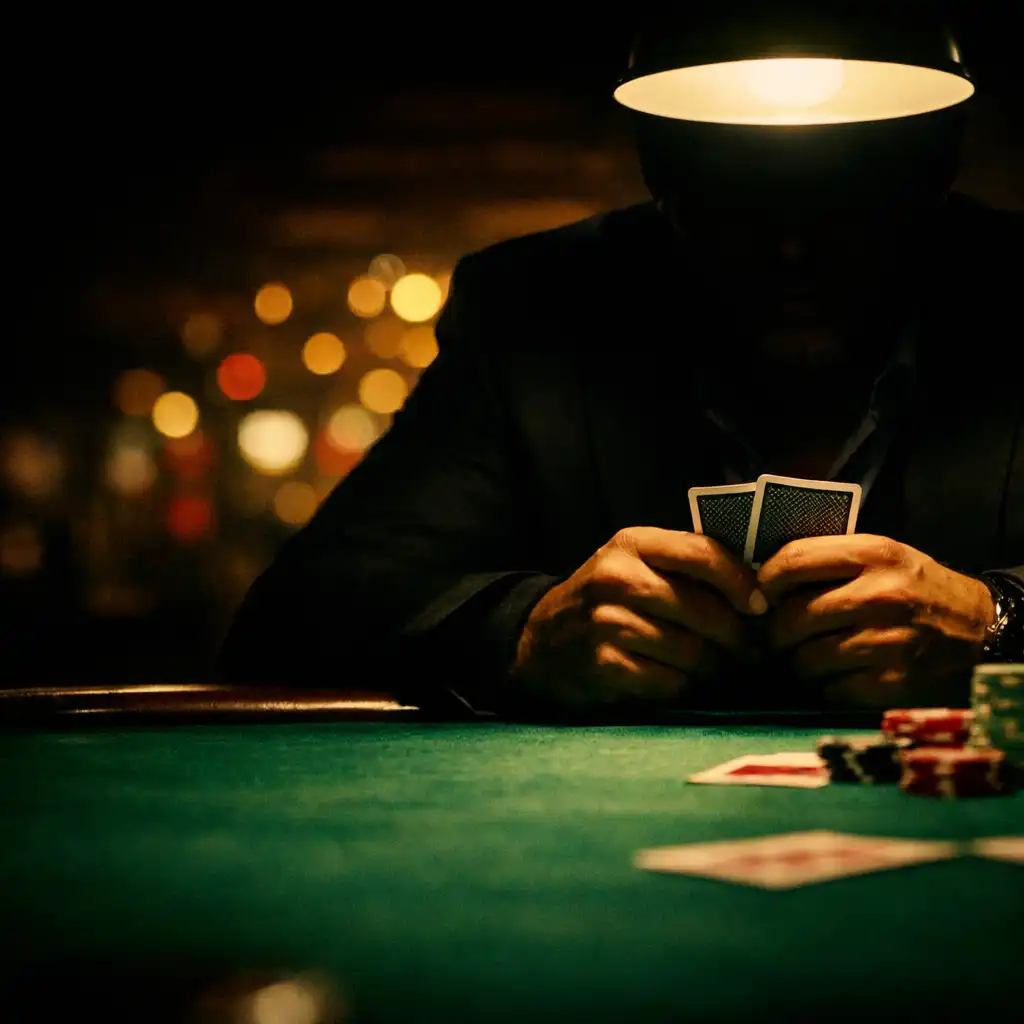
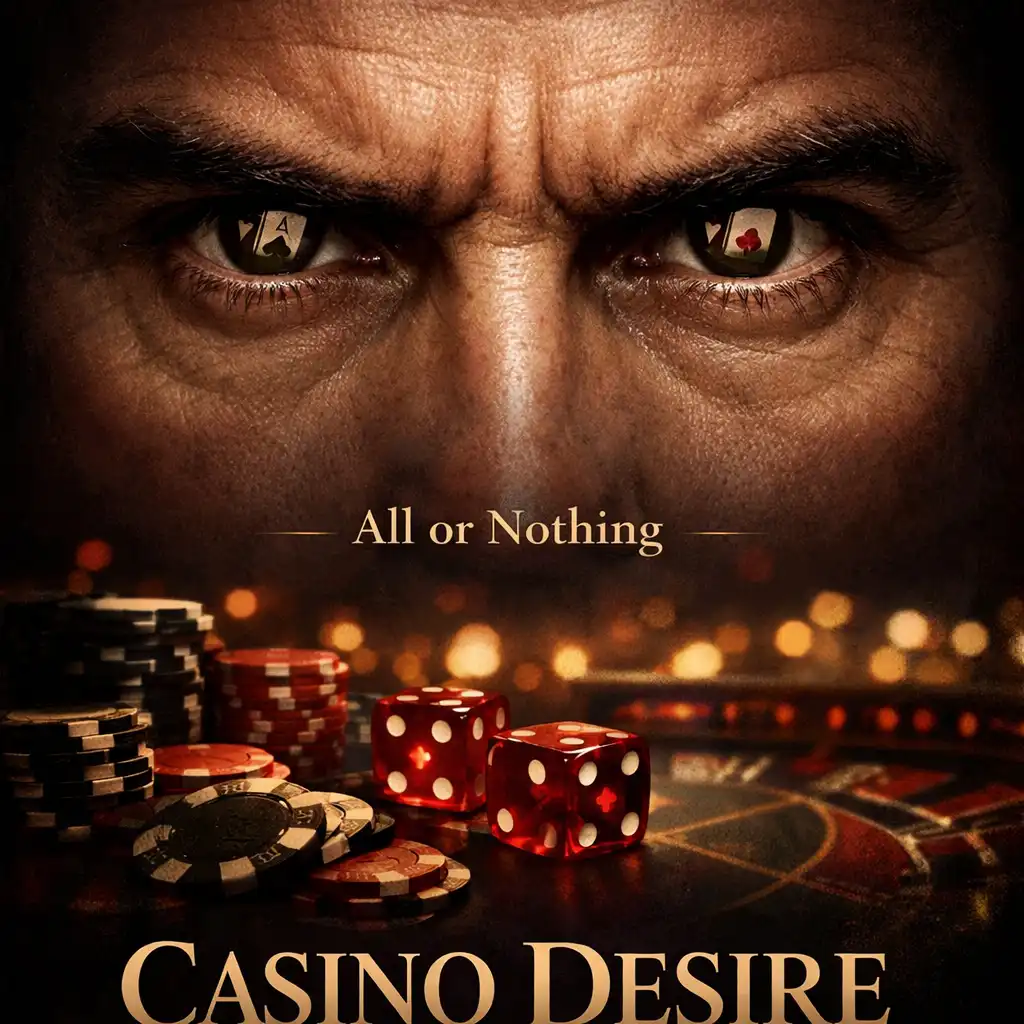
A high-stakes poker game where a single hand determines the fate of the protagonist. The scene is a masterclass in tension, with close-ups of eyes, chips, and cards building unbearable suspense. The protagonist's calm exterior masks a desperate bluff, while the antagonist's confident smirk slowly fades as doubt creeps in. The camera lingers on the pot—a mountain of chips representing everything at stake.
The scene's power comes from its restraint: minimal dialogue, deliberate pacing, and a sound design that amplifies every chip click and breath. The director uses a slow push-in to mirror the rising tension. Lighting isolates the players against a dark background, while the score is absent until the final reveal, letting silence build pressure. Editing alternates between macro shots of cards and micro-expressions.
"A masterclass in cinematic restraint—every glance becomes a confession."
Scene 2
The Roulette Reckoning
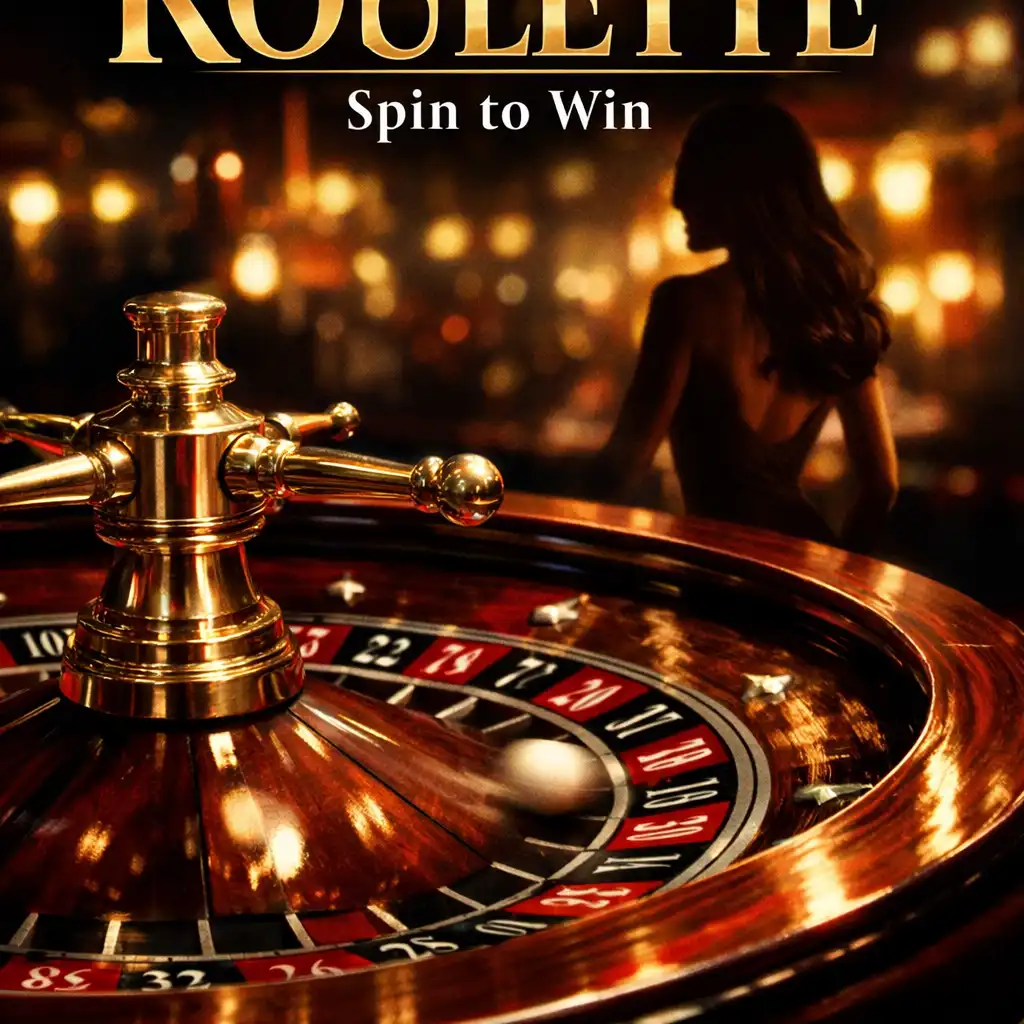
A glamorous roulette sequence where the protagonist risks everything on a single number. The spinning wheel becomes a metaphor for fate, and the ball's final drop delivers a devastating twist. The protagonist places a bet using borrowed money, heightening the stakes. The camera circles the table, mirroring the wheel's motion, and the croupier's call echoes in the sudden silence.
The scene uses a long take to build immersive tension, with the camera gliding around the table. The sound design layers the clatter of chips, the murmur of the crowd, and the final click of the ball. The colour palette contrasts warm casino lights with cool shadows, and the protagonist's face is reflected in the polished table surface. The scene ends with a sudden cut to black, leaving the outcome ambiguous.
"Fate spins, and the camera refuses to look away."
Scene 3
The Blackjack Bluff
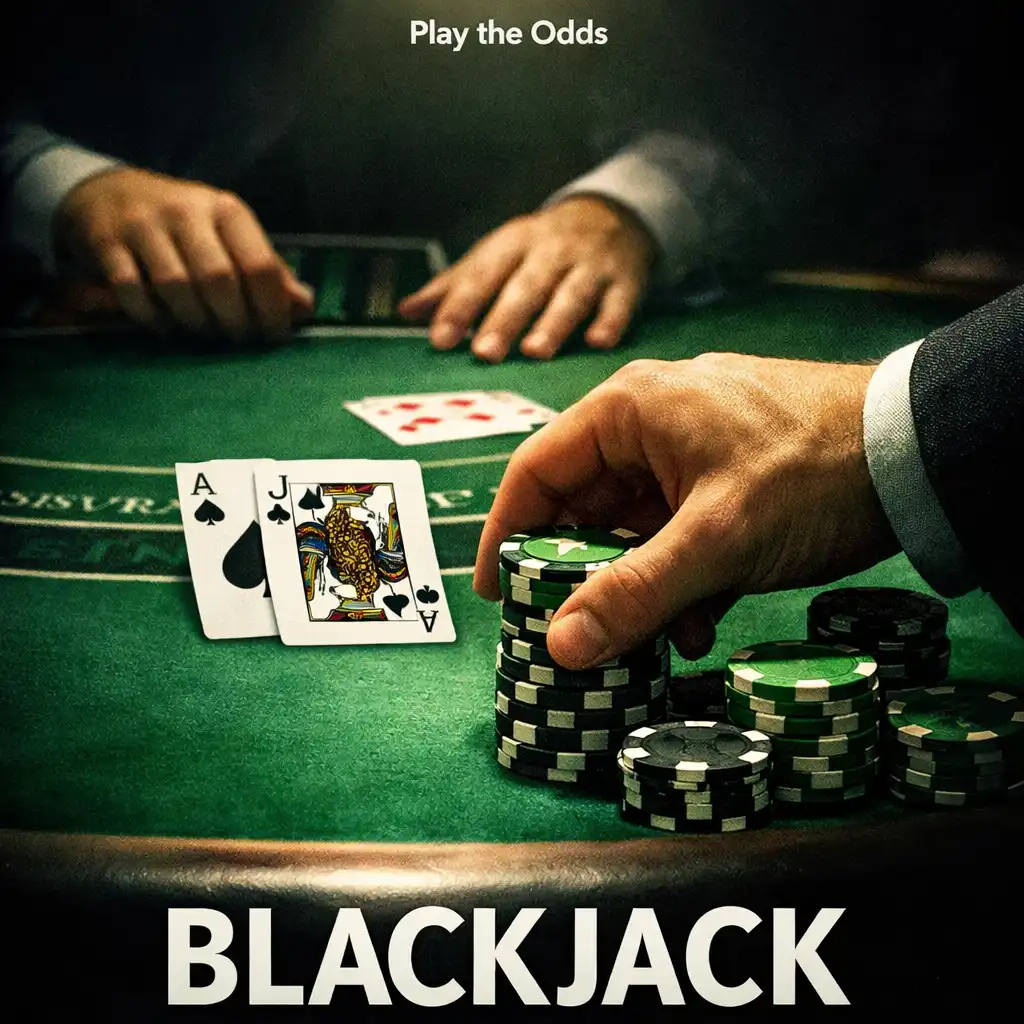
A blackjack table becomes a battleground of wits as the protagonist counts cards while the dealer watches suspiciously. The scene is a duel of glances and subtle gestures. The protagonist's system is explained through voiceover, adding intellectual tension. The dealer's eyes narrow as the count rises, and a sudden pit boss intervention raises the stakes.
The scene employs rapid cross-cutting between the protagonist's calculations and the dealer's suspicion. The editing rhythm accelerates as the tension peaks, culminating in a decisive hand. Close-ups of cards and eyes create a visual language of secrecy. The soundtrack uses a ticking clock motif to underscore pressure, and the final reveal is shot in slow motion, emphasising the emotional impact.
"Every card is a question, and every silence is an answer."
Scene 4
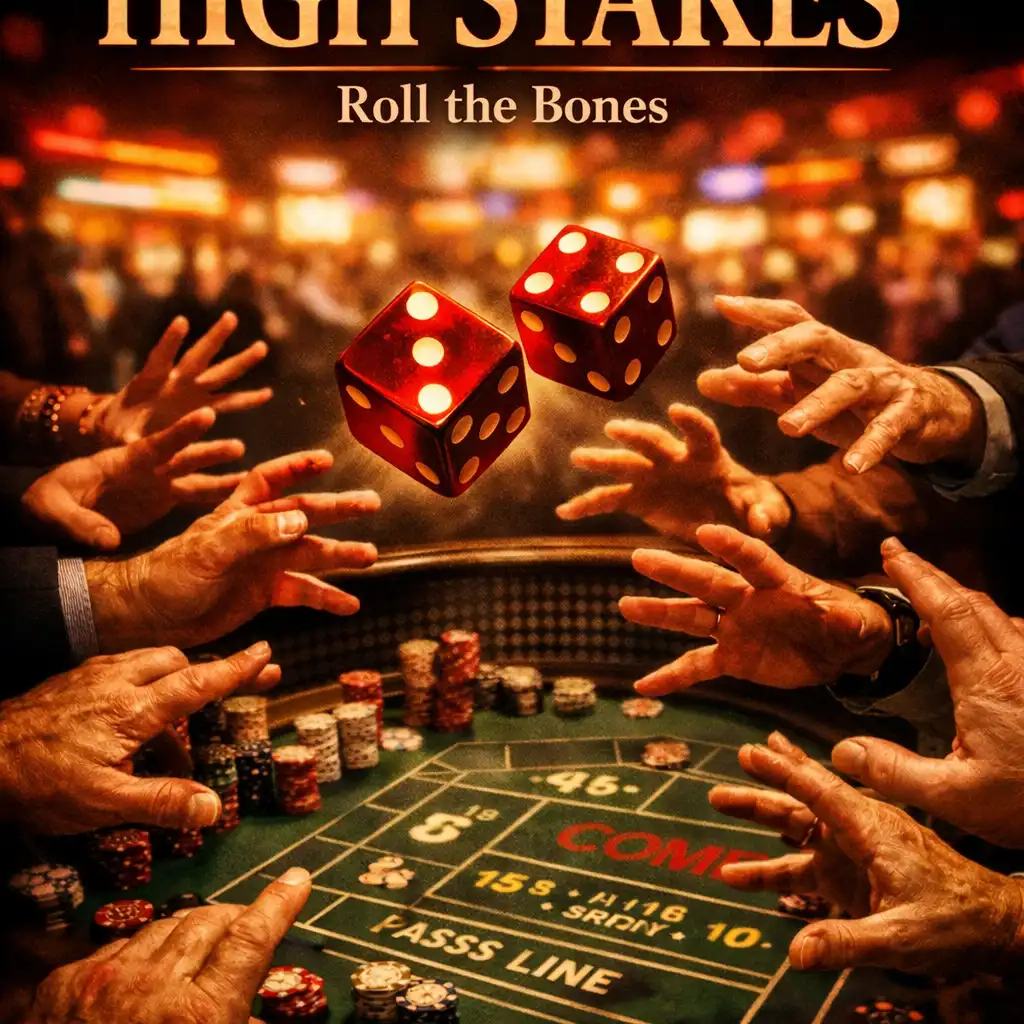
The Craps Table Meltdown
A craps table erupts in chaos as the protagonist's losing streak reaches a breaking point. The scene is a visceral depiction of desperation, with the character's composure shattering. The protagonist's hands tremble as they place the final bet. The crowd's energy shifts from excitement to pity, and a slow-motion shot captures the dice tumbling, symbolising lost hope.
The scene's power lies in its unflinching close-ups and the actor's raw performance. The camera remains static during the meltdown, forcing the audience to witness the collapse without escape. The sound design isolates the protagonist's ragged breathing. Lighting shifts from warm to cold as the mood darkens, and the scene ends with a wide shot of the empty table, emphasising isolation.
"A portrait of ruin, framed in neon and felt."
Scene 5
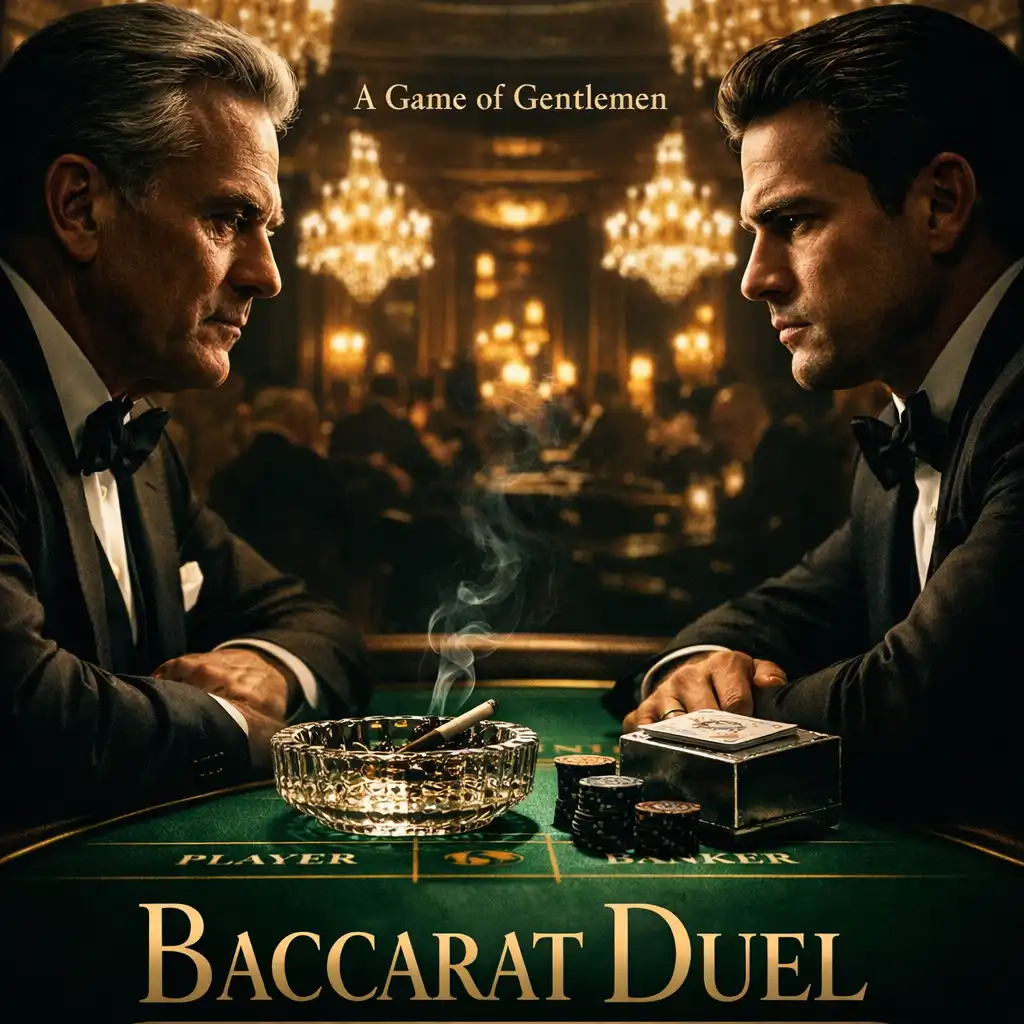
The Baccarat Duel
A high-stakes baccarat game between two rivals, played with icy politeness. The scene is a study in controlled aggression, where every word and gesture carries hidden meaning. The two players exchange pleasantries while their eyes never leave the cards. The dealer's hands move with ritualistic precision, and a single bead of sweat betrays the protagonist's calm facade.
The scene uses symmetrical framing to emphasise the duel, with the two players positioned as mirror images. The dialogue is sparse but loaded, and the sound of cards sliding is amplified to a near-musical rhythm. The colour palette is monochromatic, with only the green felt providing contrast. The camera slowly dollies in as the tension escalates, and the final reveal is accompanied by a single, resonant chord.
"Elegance is the sharpest weapon at the table."
Scene 6
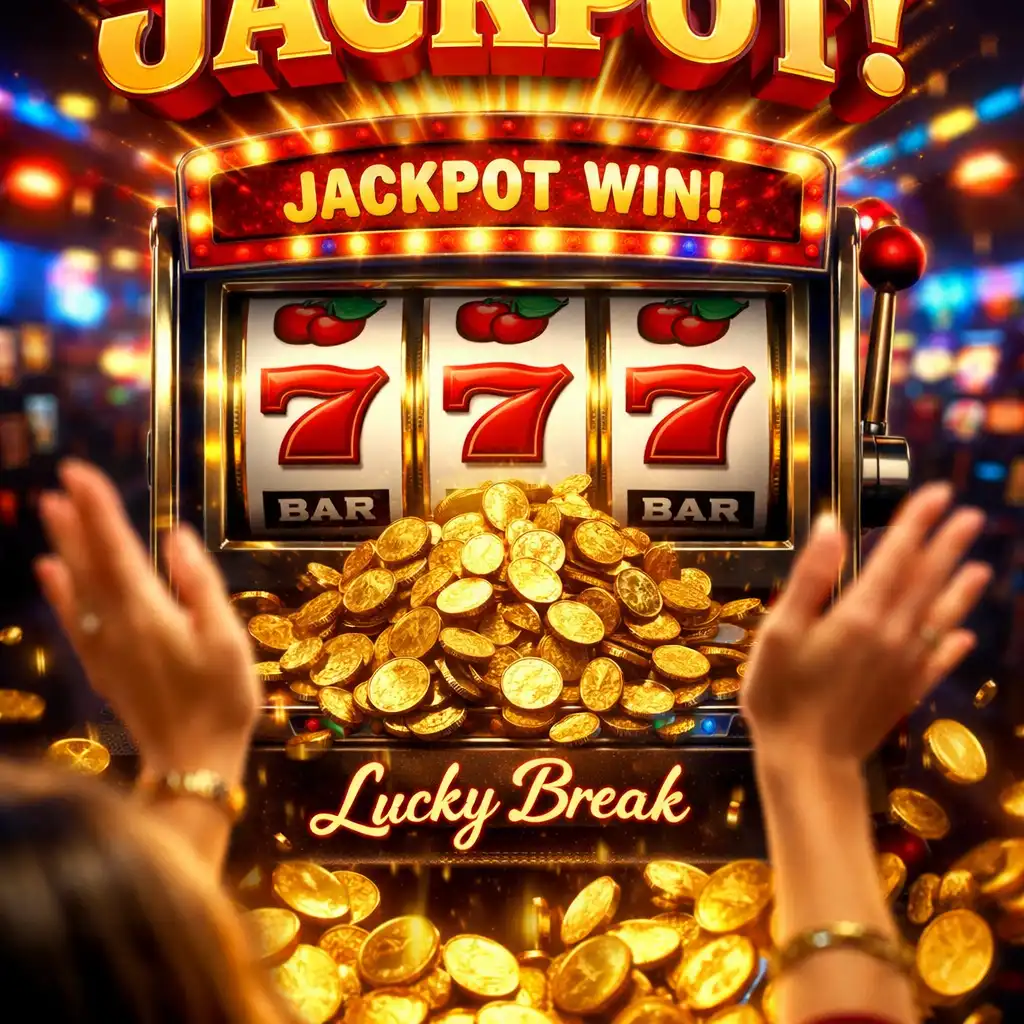
The Slot Machine Jackpot
A moment of pure elation as the protagonist hits a jackpot on a slot machine. The scene is a release of tension, with flashing lights and a cascade of coins providing a stark contrast to the film's darker moments. The protagonist's disbelief turns to wild celebration. The camera captures the machine's lights reflecting in their eyes, and the sound of coins pouring is almost deafening.
The scene uses rapid editing and a bright, saturated colour palette to convey euphoria. The camera shakes slightly, mimicking the protagonist's excitement, and the soundtrack swells with a triumphant theme. The scene is shot in high contrast, with the machine's glow dominating the frame. The protagonist's laughter is layered over the mechanical sounds, and a sudden cut to a quiet aftermath underscores the fleeting nature of luck.
"For one bright moment, the machine becomes a miracle."
Scene 7
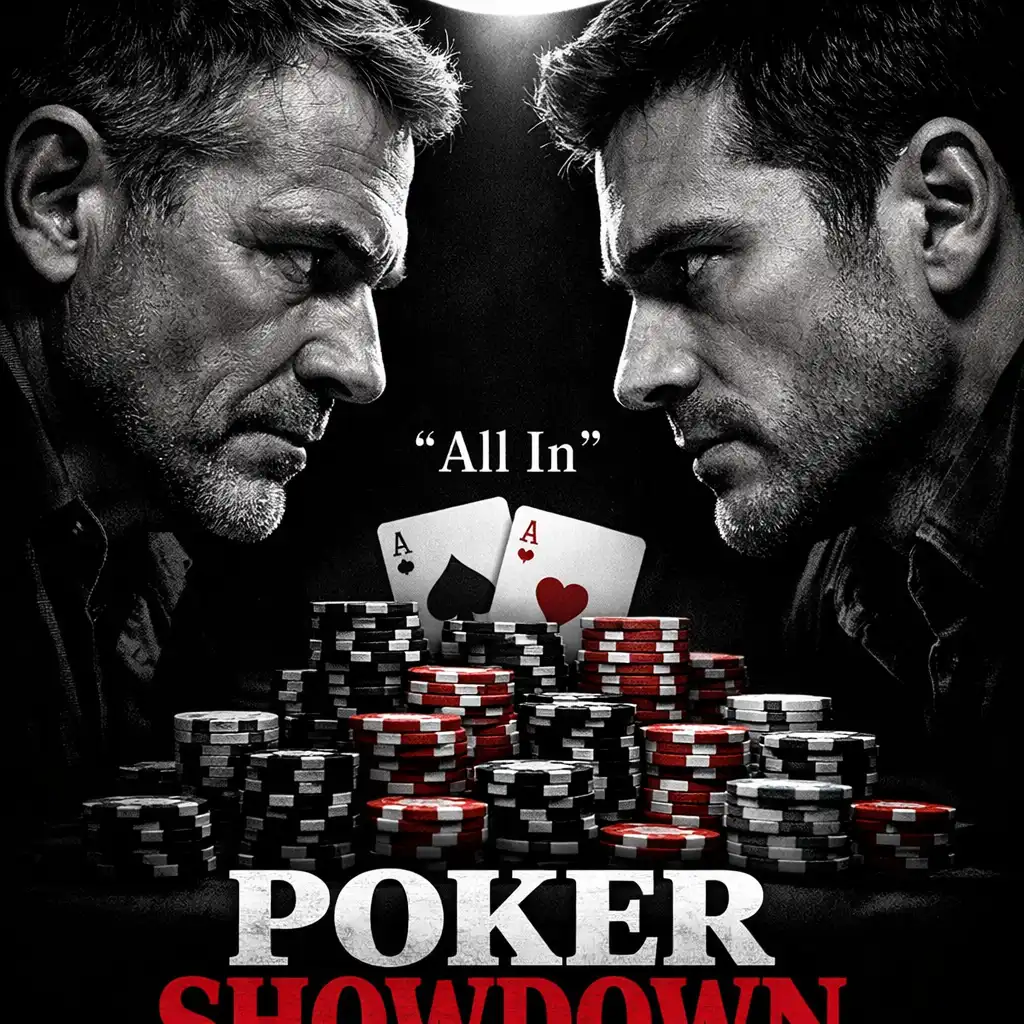
The Poker Table Showdown
A final poker showdown between the protagonist and the antagonist, with the entire film's conflict distilled into a single hand. The scene is a battle of nerves, with each player trying to read the other's soul. The protagonist's hand trembles slightly as they push their chips forward. The antagonist's smile is a mask hiding uncertainty, and the other players fade into the background, leaving only the two rivals.
The scene is shot in extreme close-ups, alternating between the players' eyes and the cards. The sound design strips away all ambient noise, leaving only the players' breathing and the soft slide of cards. The lighting creates deep shadows under the players' eyes, enhancing the sense of fatigue and desperation. The editing slows as the hand progresses, building unbearable tension, and the final reveal is accompanied by a single, sustained note.
"Two souls, one hand, and nothing left to hide."
Scene 8
The Casino Heist
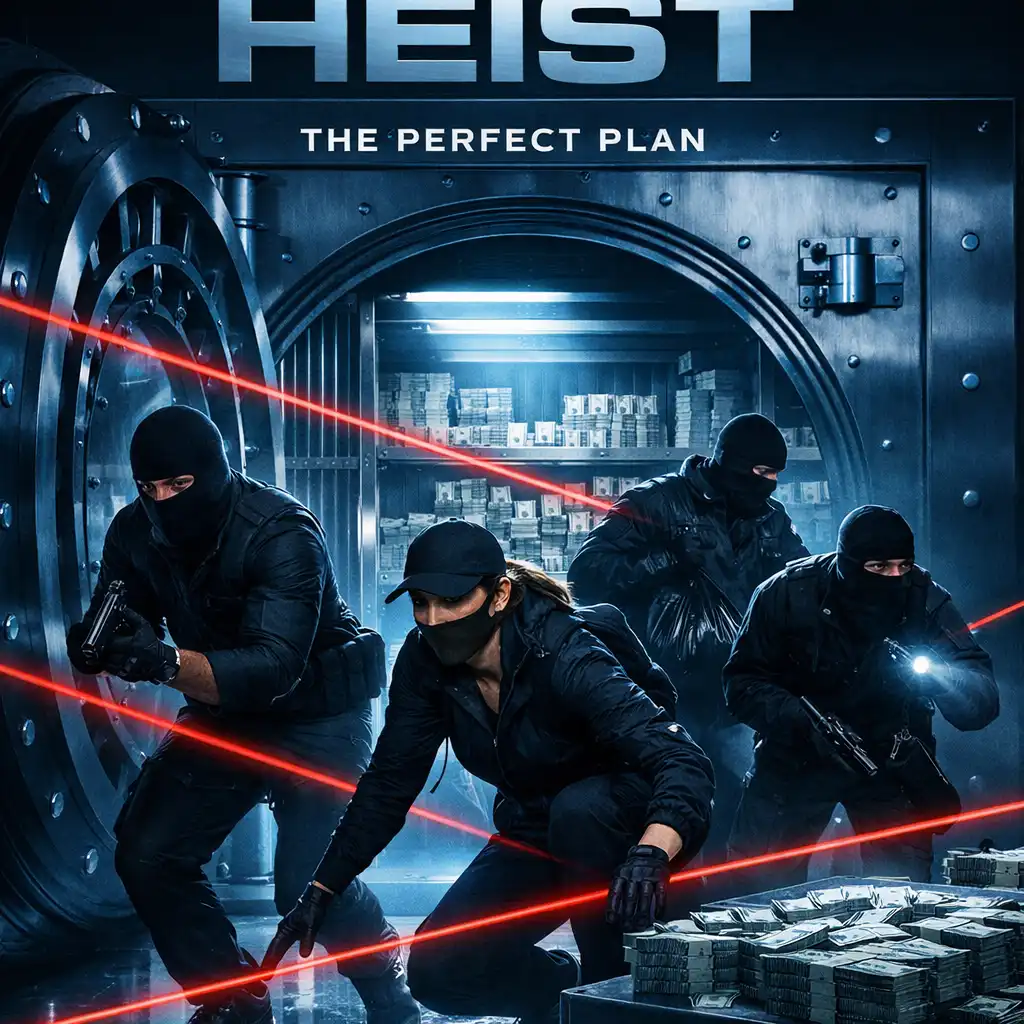
A meticulously planned casino heist unfolds with precision, as the protagonists navigate security systems and human obstacles. The scene is a masterclass in suspense, with every step fraught with danger. The team moves in synchronised silence, communicating through hand signals. A close call with a security guard raises the heart rate, and the vault door opens with a satisfying mechanical clunk.
The scene uses a combination of wide shots to establish geography and tight close-ups to convey tension. The editing is rhythmic, cutting between the team's actions and the ticking clock. The colour palette is cool and clinical, contrasting with the warm casino floor. The soundtrack is minimal, relying on diegetic sounds like footsteps and beeps, and the scene ends with a narrow escape, leaving the audience breathless.
"Precision becomes poetry when the stakes are absolute."
Risk, Fate, and Human Nature
Across all eight scenes, common threads emerge: the allure of risk, the illusion of control, and the raw exposure of human vulnerability. Casino scenes strip characters to their essence, revealing who they are when everything is on the line. The casino is a microcosm of society, where luck and skill collide, and iconic scenes often hinge on a single decision that changes everything.
"The casino table is the last honest mirror in cinema."
The visual language of casino cinema—chips, cards, wheels—has become a universal shorthand for high stakes. These scenes endure because they speak to something fundamental: the human desire to test fate, to risk what we have for what we want, and to discover who we are when the wheel stops spinning.
Continue Your Journey
Discover more iconic moments, in-depth reviews, and character profiles across ADSIGHT LTD. Whether you're a casual fan or a devoted cinephile, there's always another story to uncover.