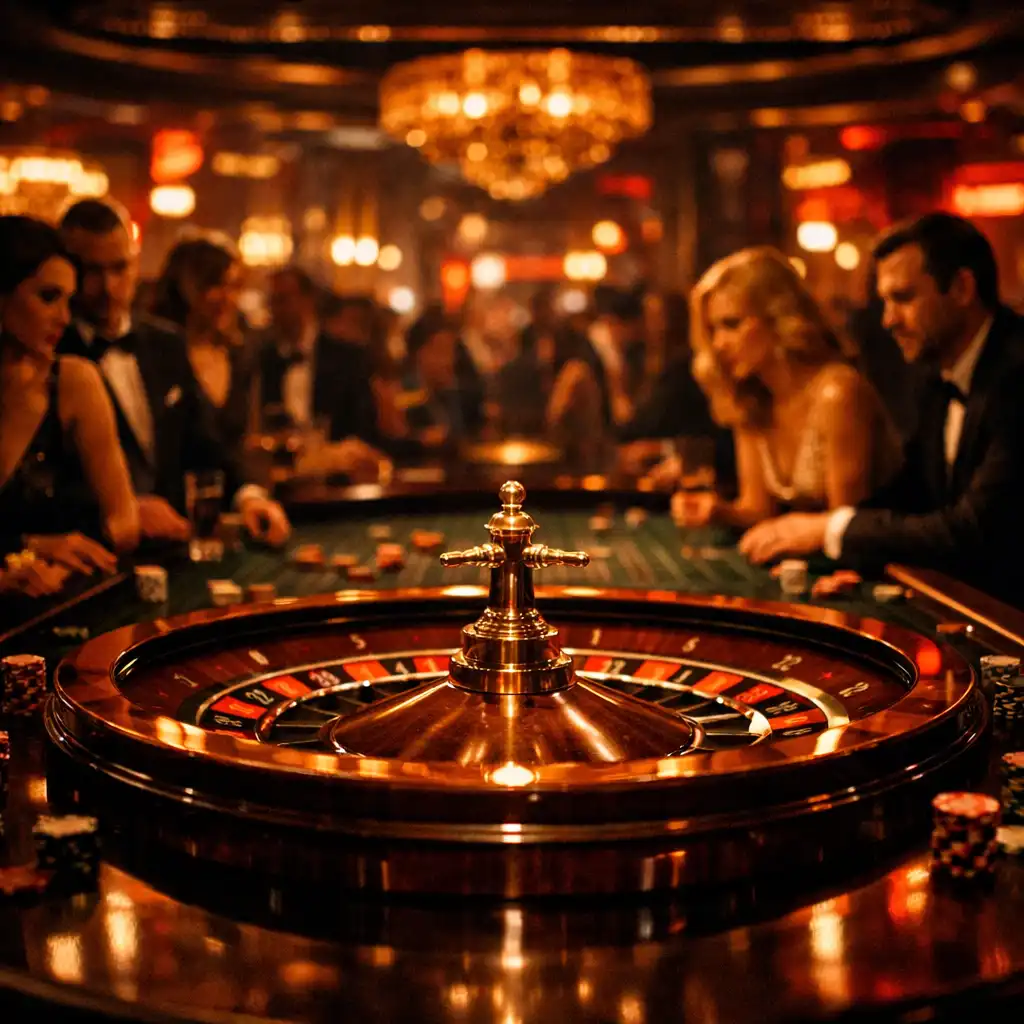
A dramatic casino floor at night with patrons gathered around a roulette table under warm amber and red lighting

Thematic Hub

The High-Stakes Allure

Casino movies transform the gaming floor into a stage for human drama—where fortune, morality, and identity collide under the glow of neon and the weight of risk. The genre blends crime, drama, and psychological tension, using the casino as a microcosm of society where characters confront their desires and limits. Chips, cards, and roulette wheels provide a rich cinematic language that has fascinated Australian audiences for decades.

Defining the Genre

More Than a Setting

A casino movie is not merely a film set in a casino; it uses the casino as a narrative engine that drives character decisions, moral dilemmas, and high-stakes conflict. The casino functions as a pressure cooker where time, money, and luck are compressed into a single evening or a single hand. Characters often face a choice between control and chaos, mirroring the game's uncertainty. The genre overlaps with heist films, noir, and character studies, but it maintains its own conventions: the ritual of the game, the hierarchy of the house, and the constant presence of risk.

ADSIGHT LTD covers movies connected to casinos, gambling culture, and high-stakes stories, treating the venue as more than a backdrop. In the best examples, the casino becomes a character in its own right—its architecture, lighting, and rituals shaping the story's mood and meaning. Casinos are designed to disorient and seduce, which filmmakers exploit to create visual tension between opulent public spaces and backroom dealings. Recurring motifs such as the roulette wheel's spin, the shuffle of cards, and the clink of chips become a percussive soundtrack for human ambition and failure.

Recurring Themes

What Casino Movies Explore

Luck and Fate

Casino films often interrogate the tension between chance and control, asking whether characters are masters of their destiny or pawns of fortune. The gambler's fallacy and the illusion of control are common narrative devices. Winning streaks and losing spirals mirror character arcs in films like The Gambler and California Split.

Addiction and Obsession

The genre frequently portrays gambling addiction as a destructive force, using the casino as a stage for compulsion and self-destruction. Characters often spiral from casual play to ruin, while the visual repetition of games mirrors obsessive behavior. Films like Owning Mahowny and Uncut Gems explore this theme with unflinching intensity.

Identity and Deception

Casinos are spaces of disguise and performance, where characters adopt personas, bluff, and conceal their true intentions. Con artists and undercover agents are common protagonists, and the casino's glamour contrasts with backroom corruption. Films like Casino Royale and The Sting use deception as a central plot engine.

Evolution of the Genre

From Noir to Neon

Casino films emerged from film noir's shadowy underworld, evolving through the glossy excess of the 1970s and 1980s to today's psychologically complex character studies. Early examples like Gilda (1946) used casinos as glamorous backdrops for romantic intrigue. The 1970s brought a grittier realism with films like The Gambler (1974), which examined addiction with documentary-like precision. Martin Scorsese's Casino (1995) defined the modern epic of the genre, blending operatic violence with meticulous detail. Recent films like Molly's Game (2017) focus on true stories and moral ambiguity, proving the genre's continued relevance.

  1. 1946

    Glamorous Backdrop

    Gilda uses a Buenos Aires casino as a stage for noir romance and betrayal.

  2. 1974

    Gritty Realism

    The Gambler examines addiction with unflinching psychological depth.

  3. 1995

    Modern Epic

    Scorsese's Casino defines the genre's operatic scale and moral complexity.

  4. 2017

    True Stories

    Molly's Game brings moral ambiguity and real-world stakes to the genre.

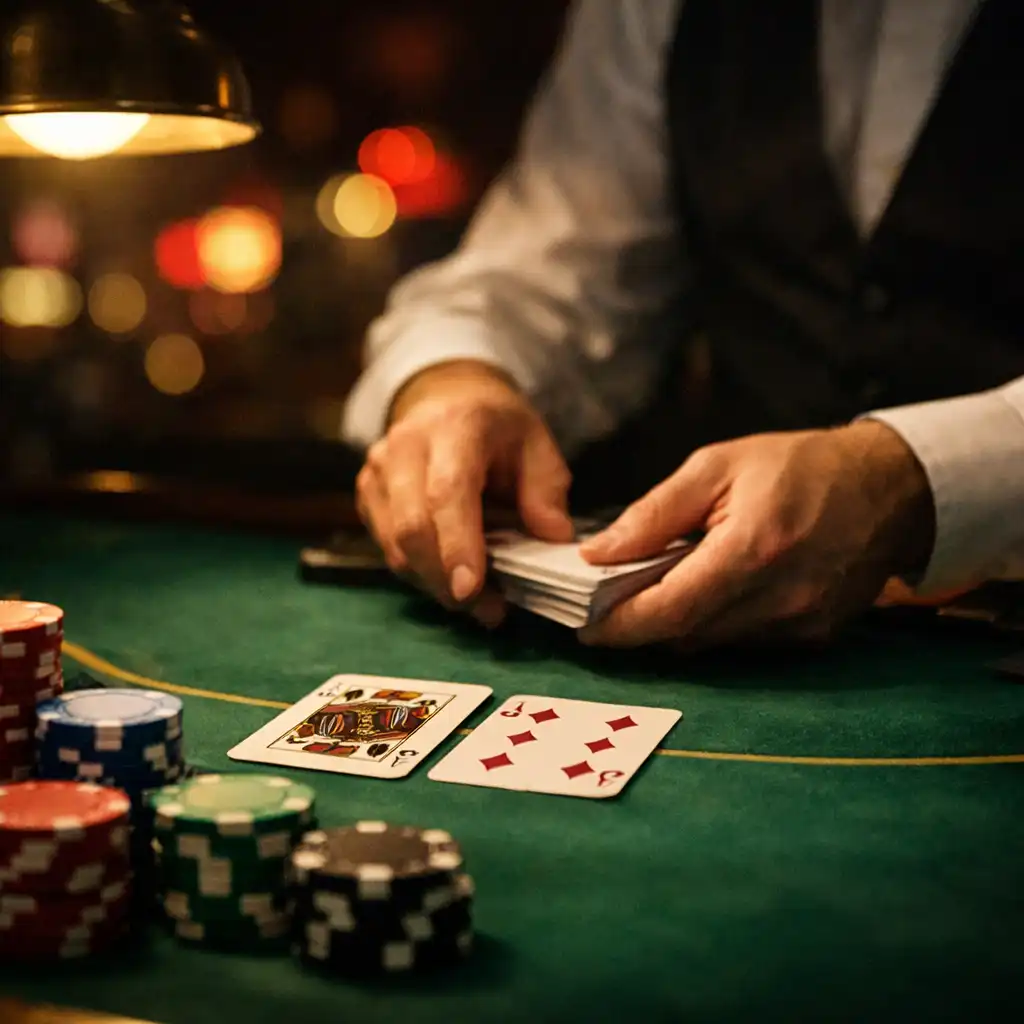
A close-up of a blackjack table with a dealer's hands dealing cards and colorful chips under moody neon lighting
High-contrast lighting and saturated color define the visual language of casino films.

Visual Language of Casino Films

Light, Color, and Composition

Casino films use high-contrast lighting, saturated color palettes, and symmetrical compositions to evoke both glamour and menace. Neon signs and table lamps create pools of light and shadow, while red and green recur as symbols of risk and money. Overhead shots of roulette wheels and card tables emphasize pattern and chance. Slow-motion sequences heighten the tension of a winning hand or a losing bet, turning a simple gesture into a moment of high drama.

Essential Casino Films

A Curated Selection

From gritty character studies to stylish heists, these films represent the best of casino cinema across decades. Each entry includes a one-line verdict and a link to the full review or plot summary on the site.

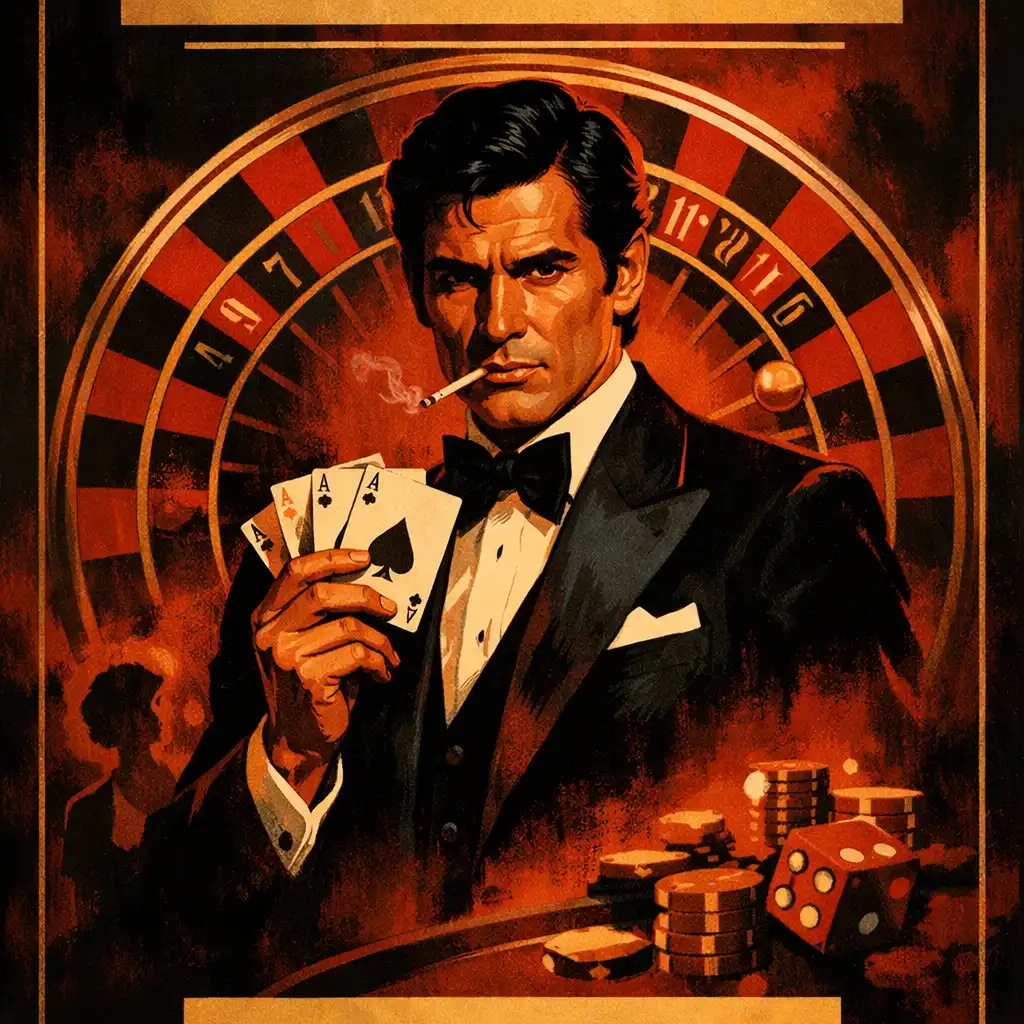
  1. Stylized classic casino film poster featuring a man in a tuxedo holding playing cards

    Casino

    Scorsese's sprawling epic of power, greed, and betrayal in Las Vegas.

    Read the review
  2. Minimalist modern casino thriller poster featuring a cracked poker chip against a dark background

    Molly's Game

    A true story of high-stakes poker and the woman who ran the game.

    Read the plot summary
  3. The Gambler

    A raw portrait of addiction and self-destruction in the world of high-stakes betting.

    Read the review
  4. Casino Royale

    Bond's high-stakes poker game redefines the spy thriller with psychological tension.

    Read the plot summary
  5. Croupier

    A writer becomes a casino dealer and finds himself drawn into the game's dark orbit.

    Read the review
  6. California Split

    Robert Altman's shaggy, improvisational study of two gamblers chasing a big score.

    Read the plot summary
  7. The Sting

    A stylish con-artist caper with a famous poker game at its center.

    Read the review
  8. Owning Mahowny

    Philip Seymour Hoffman's quietly devastating portrait of a bank manager's gambling addiction.

    Read the plot summary
  9. Hard Eight

    Paul Thomas Anderson's debut follows a veteran gambler mentoring a young drifter.

    Read the review
  10. Rounders

    A law student returns to underground poker to help a friend escape a dangerous debt.

    Read the plot summary

Character Archetypes

The Faces of Casino Cinema

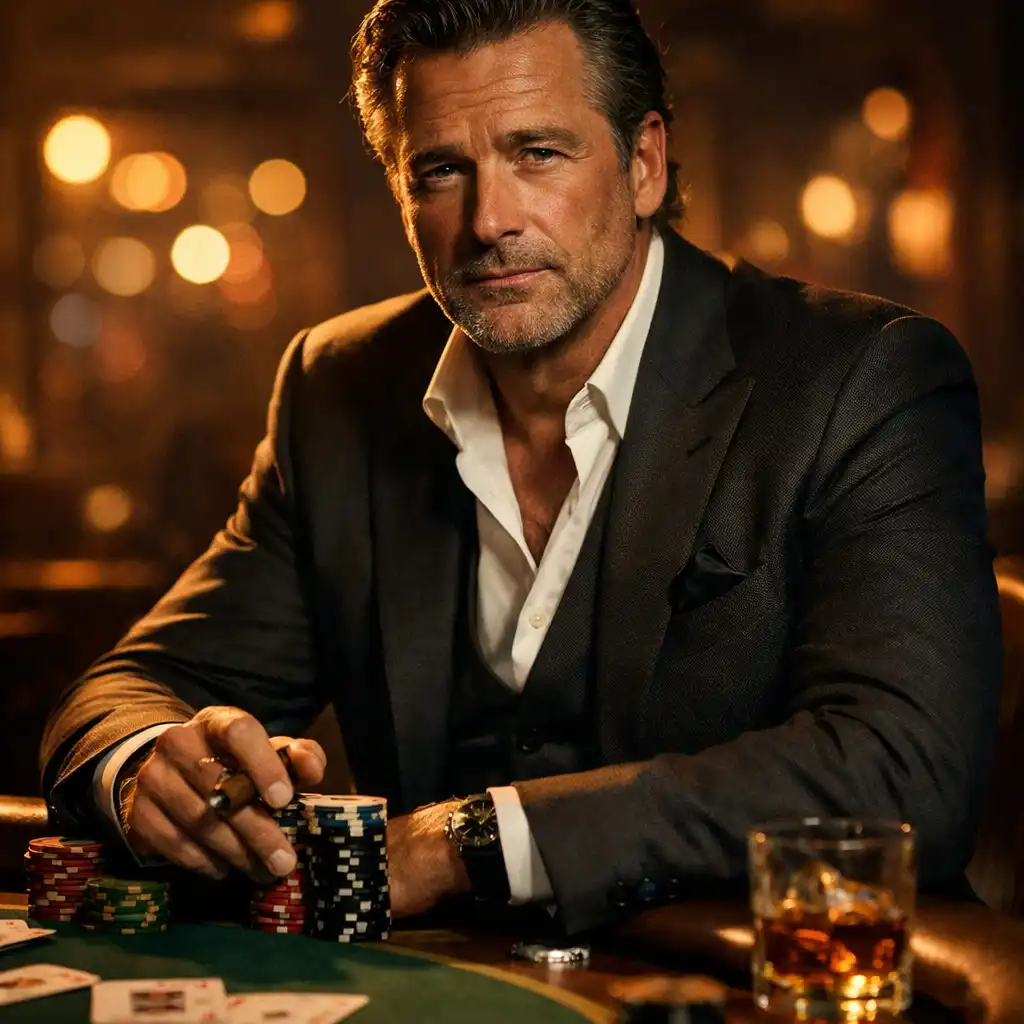
Portrait of a high roller character in a tailored suit standing near a poker table with a confident but weary expression

The High Roller

The high roller is a figure of excess and risk, often charismatic but self-destructive, whose fortunes mirror the volatility of the casino itself. Examples include Sam 'Ace' Rothstein in Casino and James Bond in Casino Royale. They often have a tragic flaw—hubris, addiction, or a need for control—and their arcs typically involve a dramatic rise and fall.

The Dealer

The dealer is the calm center of the casino's storm, often a witness to the drama and sometimes a participant in it. Dealers can be sympathetic figures or complicit insiders, and they provide exposition about the games and the house's rules. The croupiers in Croupier (1998) exemplify this archetype, observing human weakness from behind the table.

The Casino as Moral Arena

Risk, Reward, and Consequence

"In the casino, the cardinal rule is to keep them playing and keep them coming back. The longer they play, the more they lose. In the end, we get it all."

— Sam "Ace" Rothstein, Casino (1995)

Casino films force characters—and audiences—to confront the consequences of risk-taking, often blurring the line between ambition and greed. The house always wins, but characters keep playing, reflecting human optimism and denial. Moral ambiguity is central: protagonists are often antiheroes whose charm masks a capacity for cruelty. The casino's rules mirror societal rules, but with higher stakes and fewer second chances.

Behind the Scenes: Crafting the Casino

From Set Design to Real Locations

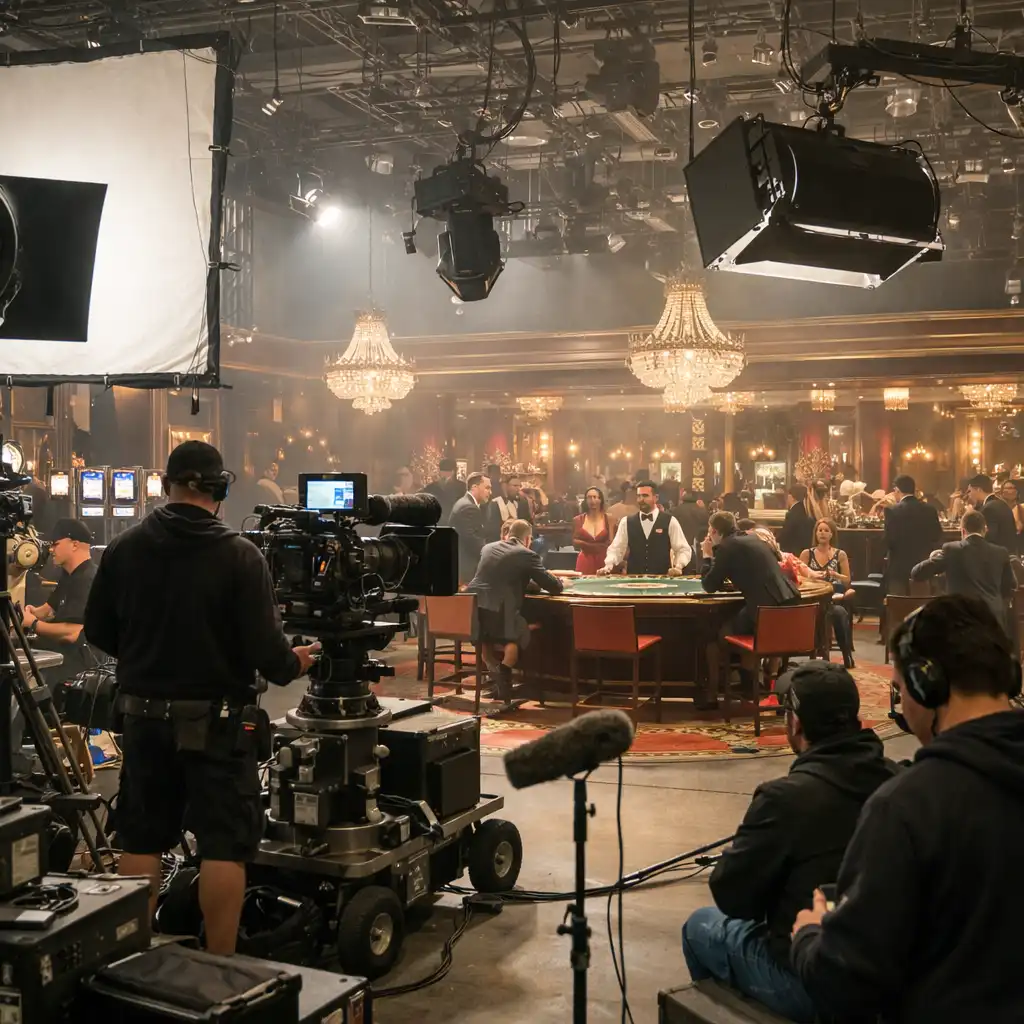
Casino films often blend practical sets with real locations to achieve authenticity, requiring careful attention to lighting, sound, and the choreography of games. Some films shoot in actual casinos during off-hours, while set designers recreate specific table layouts and decor from reference photos. Card handling and game procedures are often coached by professional dealers, and sound design emphasizes the clink of chips and the shuffle of cards to build an immersive atmosphere.

A behind-the-scenes view of a film set designed to look like a casino, with camera equipment and lighting rigs in the foreground
Practical sets and real locations combine to create authentic casino environments.